
The Pacific Northwest looks deceptively “doable” on a map.
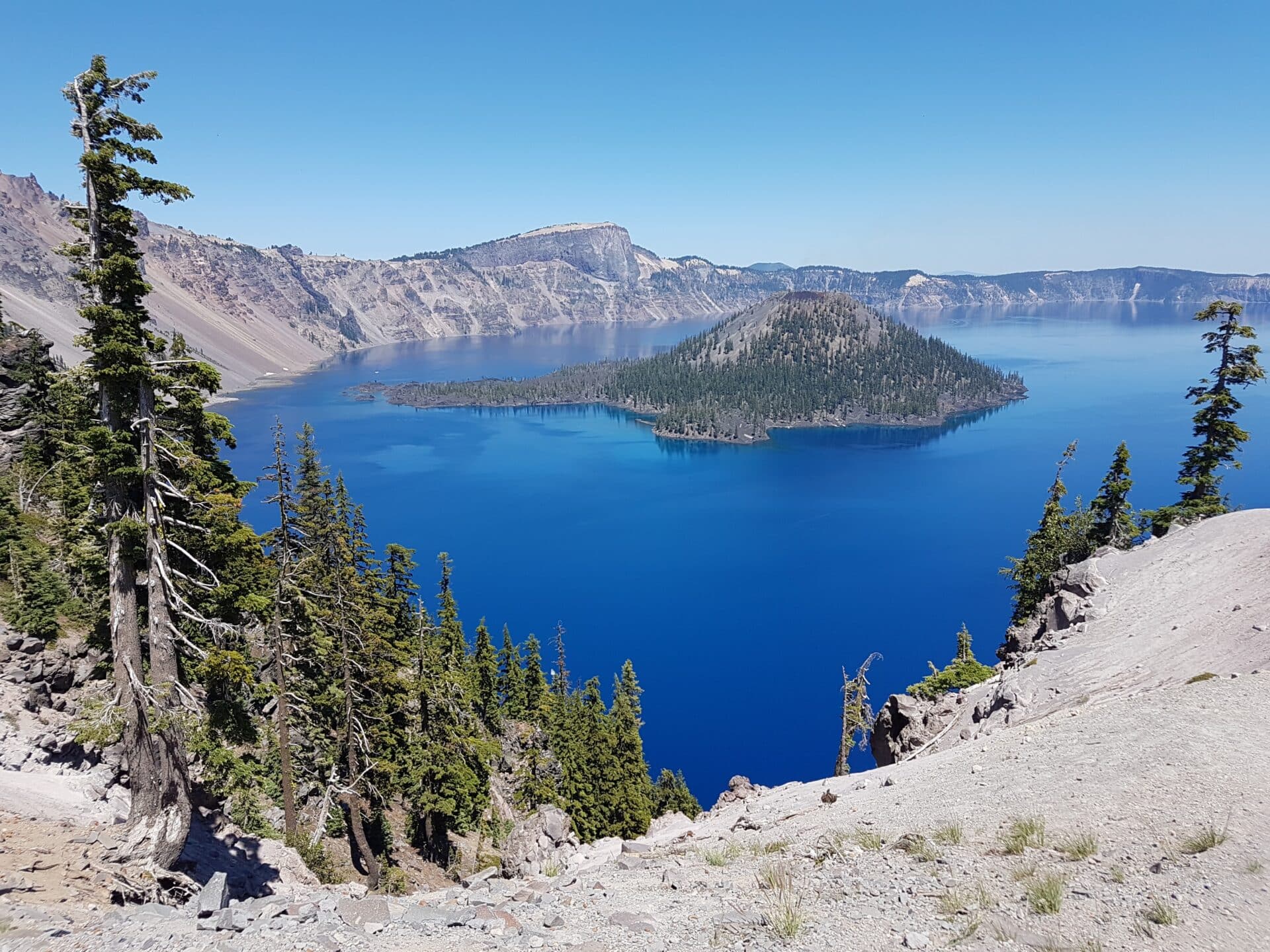
Like… surely you can knock out Seattle, Olympic National Park, Portland, the Oregon Coast, and a quick detour to Crater Lake in one week, right?
And then reality shows up wearing a rain jacket and holding a ferry schedule.
Between mountain passes, microclimates, winding coastal highways, and distances that feel suspiciously longer than Google Maps promised, first-time PNW trips can go sideways fast — usually in a way that involves too much driving and not enough actual enjoying.
So let’s fix that.
Mistakes to Avoid When Planning a PNW Trip
Below are 7 super common mistakes first-time visitors make in the Pacific Northwest — and exactly how to avoid them so your trip feels iconic (not chaotic).
Mistake #1: Trying to Cram Too Many Places Into One Trip
Here’s the thing: the Pacific Northwest is not a cute little cluster of attractions you can hop between in 45 minutes.
It’s big. And parts of it are slow (in a scenic, “why is this road curvy for 87 miles” kind of way).
The classic first-timer itinerary looks like this:
- Seattle (2 days)
- Olympic National Park (2 days)
- Portland (1 day)
- Oregon Coast (1–2 days)
- Crater Lake (1 day)
- Back to Seattle for your flight
That’s not a vacation. That’s a long-distance relationship with your rental car.
How to avoid it
Choose one “anchor region” and day-trip from there. You’ll see more, drive less, and feel like a functional human.
Pick a base like:
- Seattle + Olympic National Park (rainforest, beaches, mountains)
- Portland + Columbia River Gorge + Mount Hood (waterfalls + cozy towns)
- Oregon Coast road trip (north or central) (classic PNW drama)
- Vancouver, BC + Sea-to-Sky (city + mountains, minimal effort)
Use the “2-night minimum” rule.
If a place is a major stop (national park, coast hub, mountain town), stay at least two nights so you’re not packing up daily like you’re on the run.
Build in buffer time.
Traffic, ferries, road work, fog, detours, and “wait… we need to stop at this viewpoint immediately” moments are part of the experience. Plan your activities per day, but leave plenty of time for unforeseen delays or spontaneous stops.
Here’s a complete guide on How to Plan Your Perfect Pacific Northwest Road Trip.
Mistake #2: Assuming the Weather Is the Same Everywhere (It’s Not)
The PNW has microclimates that switch up faster than a Portland barista’s seasonal menu.
You can be:
- in the sun in Bend
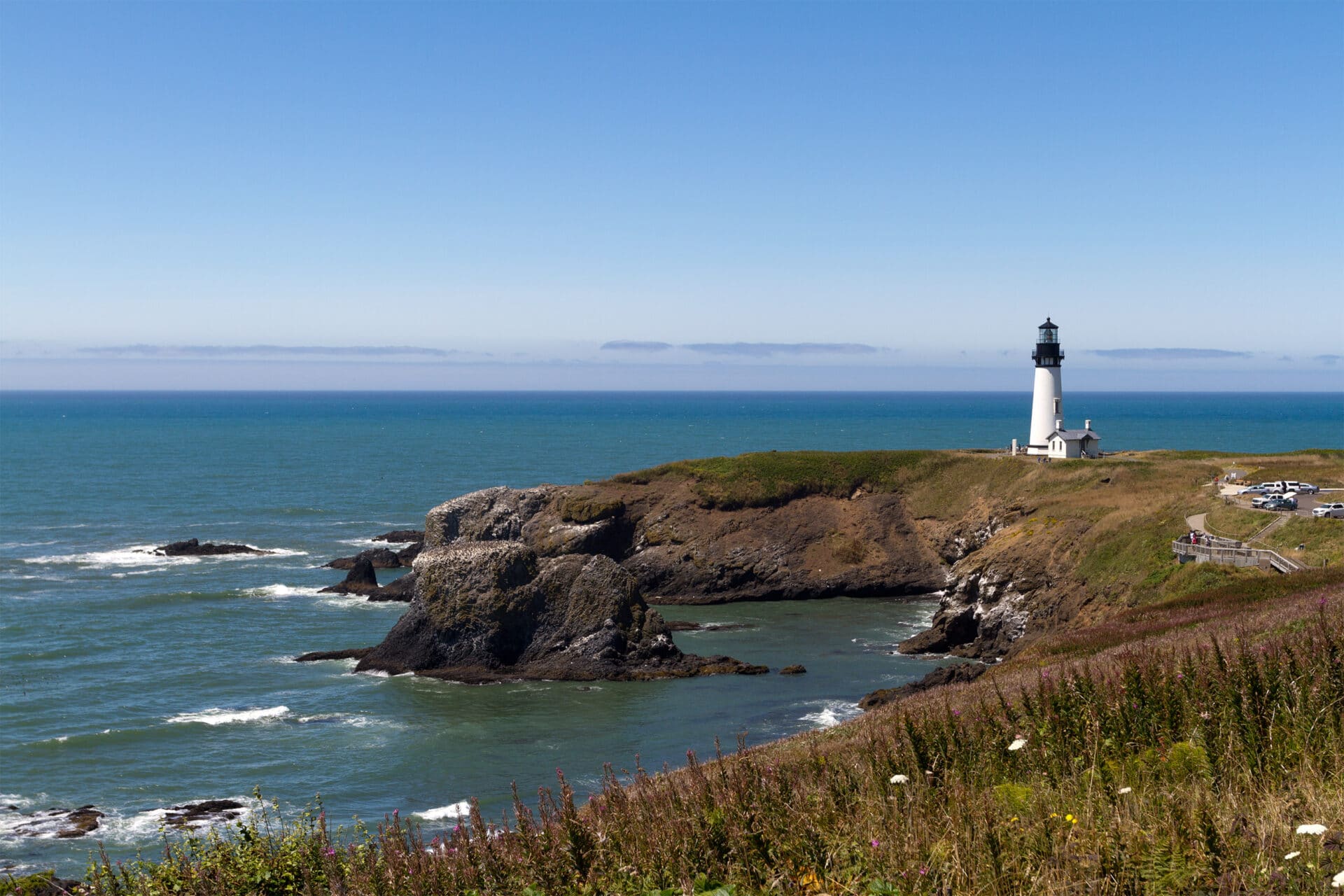
- in sideways rain on the coast
- hiking in 45 degrees and fog at Cannon Beach
- and then sweating on a trail outside Portland.
…all in the same trip.
How to avoid it
Plan by region, not by state. Oregon and Washington don’t have “one weather.” They have many moods.
Use this quick cheat sheet:
- Spring: waterfalls are wild, coast is moody, crowds are lighter
- Summer: alpine hiking season + long daylight, but book early
- Late summer: wildfire smoke can happen (especially inland)
- Fall: fewer crowds, gorgeous color, but storms start returning
- Winter: city trips, rainforest walks, coast storm-watching, snow sports
And yes, you may still need a rain jacket in July. (You’ll thank me later.)
Mistake #3: Packing Like You’re Going to LA (Instead of Somewhere That Has Moss for a Mascot)
If you bring white sneakers and a thin hoodie, the PNW will humble you. Quickly.
This is a place where:
- trails can be muddy, even in summer
- weather can change mid-hike
- and you might get sprayed by a waterfall, misted by the coast, and drizzled on by a cloud that’s just vibing
How to avoid it
Use the PNW packing formula: layers + waterproof outer layer + at least one pair of broken-in, sturdy walking/hiking shoes
Here’s what works for most trips:
- a real rain jacket (not a decorative one)
- a warm mid-layer (fleece or puffy)
- quick-dry, breathable base layers
- hiking shoes with grip (bonus points if water-resistant)
- wool socks (seriously)
- a daypack + water bottle
If you want to look cute, you can. You just have to be cute in layers.
Mistake #4: Not Booking the “Limited Stuff” Early
Some parts of the PNW are wonderfully spontaneous.
National park lodging in July is not one of them.
First-timers often assume they can just show up and figure it out… and then they’re staying 75 minutes away from the trailhead they planned to hike at sunrise.
How to avoid it
Know what to book in advance (especially May–September):
- national park lodging and campgrounds
- popular coast towns on weekends
- ferry crossings (where applicable)
- tours like whale watching or specialty experiences
- any “limited entry / timed reservation” activities (varies by park/season)
Things you can usually wing:
- city restaurants (minus a few hot spots)
- casual coastal eats
- many short hikes (if you start early)
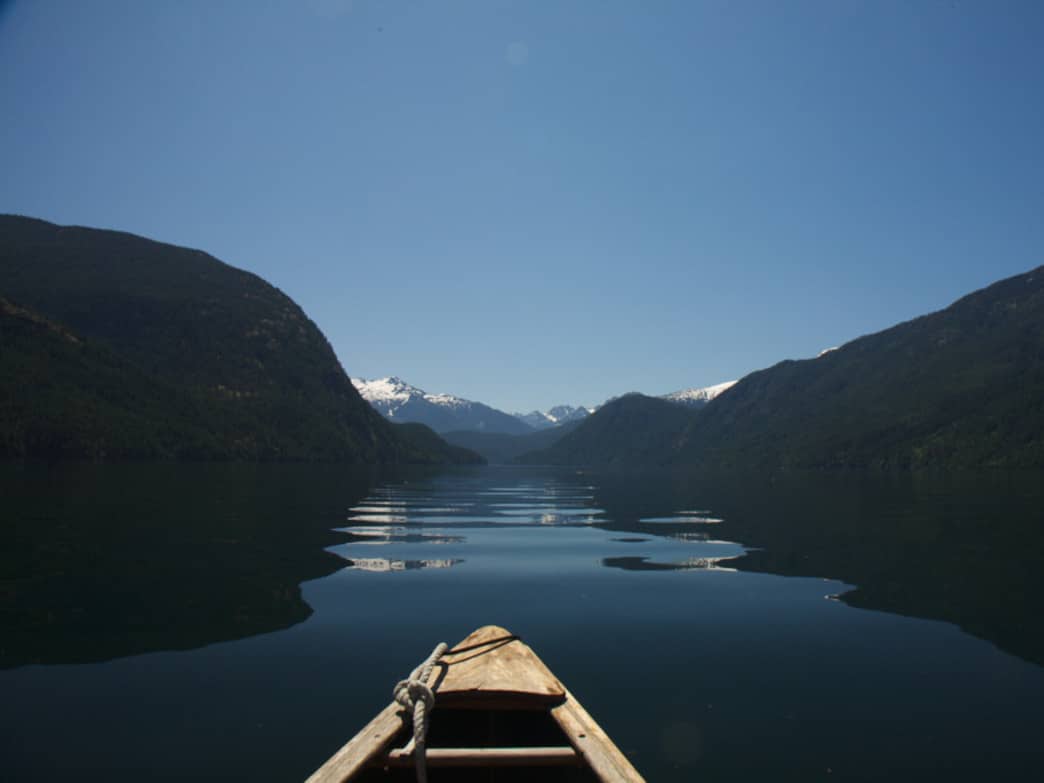
Mistake #5: Only Visiting the Biggest Tourist Stops (And Missing the Real PNW Vibe)
Yes, you should absolutely see the famous stuff.
But the PNW magic often happens when you:
- take the short trail instead of the long one
- pull into the tiny coastal town “just for coffee”
- stop at a random viewpoint because the clouds opened up like a movie scene
If you only do “top 10” stops, your trip can feel weirdly rushed and… same-y.
How to avoid it
Add one “small delight” per day.
Examples:
- a local bakery or coffee shop (not a chain)
- a short state park hike
- a scenic detour
- a beach you didn’t see on TikTok
- a quirky shop, tiny museum, or roadside farm stand
My favorite easy framework:
- 1 big “must-see”
- 1 slow moment (sit, stare, snack)
- 1 local bite
That’s the sweet spot.
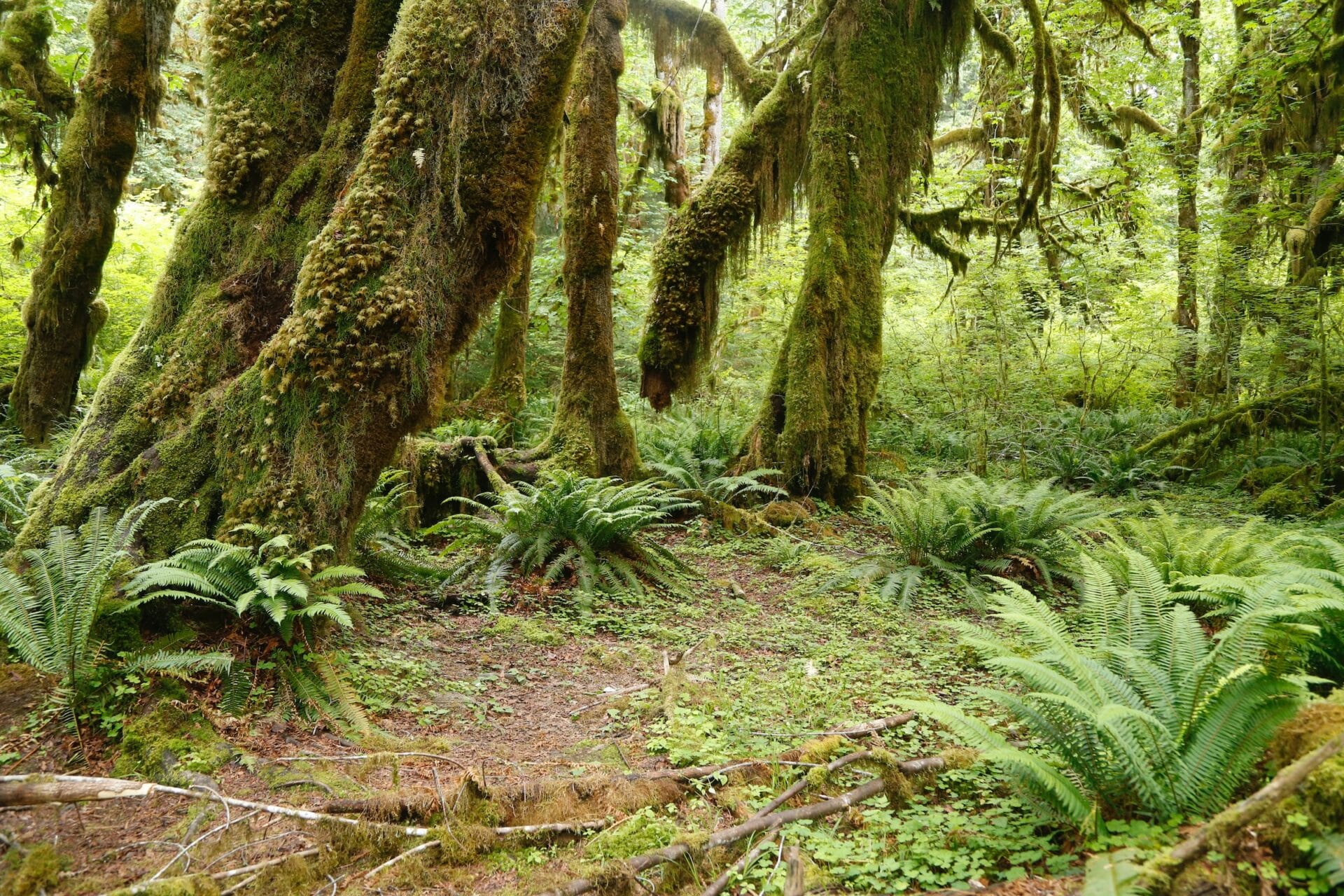
Mistake #6: Choosing Hikes by Instagram Instead of Reality
The PNW is full of hikes that look easy in photos and feel… less easy on your lungs.
Also: trails can be closed, roads can be seasonal, and elevation can turn a “moderate” hike into a personal growth experience. The Olympic Peninsula is particularly famous for that.
Also see: Columbia Gorge Hiking, and Hikes Near Seattle.
How to avoid it
Before any hike, check:
- distance + elevation gain
- trail conditions (mud/snow/blowdowns)
- road conditions (especially for mountain trailheads)
- sunset time (it gets dark fast in shoulder seasons)
And please don’t skip the basics:
- water + snacks
- a layer and a rain shell
- sunglasses, hat, and sunscreen
- offline map (service can be spotty)
- headlamp if you’re hiking late
Pro move: build your itinerary with “hike swaps.”
Have one easy option and one moderate option per day — then choose based on weather and energy.
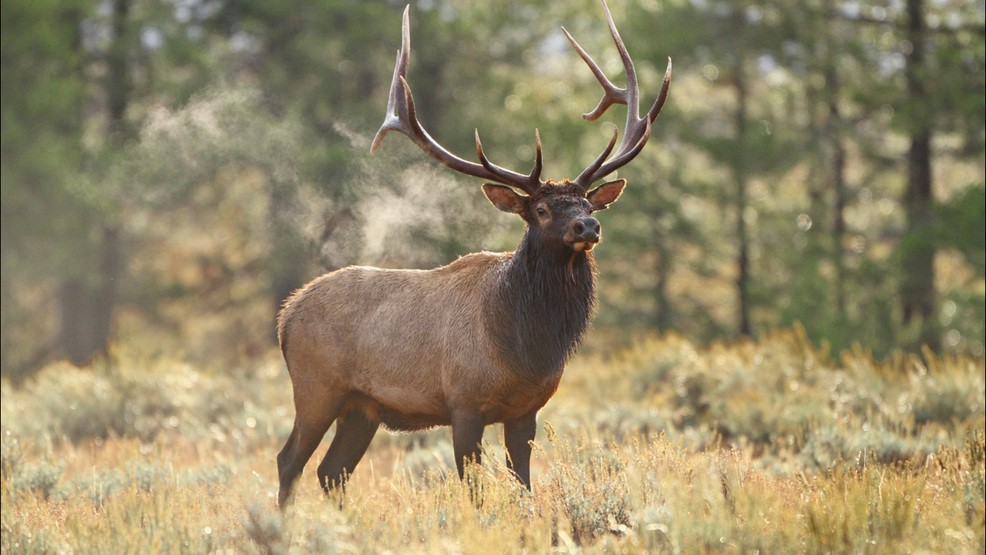
Mistake #7: Skipping PNW Etiquette (And Accidentally Being That Person)
The PNW is pretty laid-back — but we’re also protective of the places we love.
Common first-timer mistakes:
- getting too close to wildlife
- blasting music on trails
- parking in sketchy roadside spots
- leaving trash (even “organic trash” like orange peels)
- trampling fragile coastal plants for a photo
How to avoid it
Follow Leave No Trace basics:
- pack it in, pack it out
- stay on trails
- keep your distance from wildlife
- don’t feed animals (ever)
- keep sound low in nature spaces
Also: if you’re at the coast, be mindful of sneaker waves and changing tides. The ocean here is gorgeous, but it is not messing around.
Quick Recap: The Fix-in-a-Sentence Version
- Don’t cram the whole PNW into one trip → pick one region and slow down.
- Don’t assume the weather is uniform → plan for microclimates.
- Don’t pack like it’s always sunny/raining → layers + rain shell + grippy shoes.
- Don’t rely on last-minute bookings → reserve key lodging/tours in peak season.
- Don’t only do the “Top 10” stops → add one small delight per day.
- Don’t choose hikes by photos alone → check elevation, conditions, and daylight.
- Don’t skip etiquette and safety → Leave No Trace + respect wildlife and the coast.
Final Thoughts: You’ll Enjoy the PNW More When You Slow Down
The Pacific Northwest is the kind of place that rewards unrushed travel.
It’s not about collecting locations like Pokémon. It’s about letting the place sink in — the misty forests, the dramatic beaches, the surprise mountain views, the coffee stops that turn into your favorite memory.
If you want help turning your time frame into a realistic route (with the right amount of driving and the good stops baked in), I do custom trip planning.
Overwhelmed? I Can Help!FAQ: First-Time Pacific Northwest Trip Planning
How many days do I need for a first trip to the Pacific Northwest?
If you want a trip that feels fun (not frantic), 7–10 days is the sweet spot for first-timers — but only if you focus on one main region. If you have 3–5 days, choose one base (Seattle or Portland or one stretch of the coast) and do day trips.
What’s the best time of year to visit the Pacific Northwest?
It depends on what you want to do:
- July–September: best for mountain hikes + long daylight, but busiest
- April–June: spring waterfalls, wildflowers, fewer crowds (still bring rain gear)
- September–October: shoulder season magic (often great weather, fewer people)
- November–March: cities + coast storm-watching + rainforest vibes (less alpine access)
If hiking is your priority, aim for mid-July through September for higher-elevation trails.
Is it going to rain the whole time?
Not necessarily — but you should plan like rain is possible any day. Coastal areas and rainforests are famously damp, while inland spots (like Bend) can be sunny and dry. Even in summer, you’ll want a light rain jacket because PNW weather loves a plot twist.
What should I pack for the Pacific Northwest?
The short answer: layers + waterproof outer layer.
The practical starter list:
- rain jacket (a real one)
- warm mid-layer (fleece or puffy)
- quick-dry tops
- hiking shoes with grip
- wool socks
- daypack + reusable water bottle
If you’re hiking: toss in a headlamp and an offline map app, because cell service can vanish the second you need it.
Seattle or Portland — which should I visit on my first trip?
They’re both great, but they’re different flavors:
- Seattle: bigger city energy, epic skyline, easy access to Olympic NP and the North Cascades
- Portland: more compact, quirky, food/cart culture, great access to the Columbia River Gorge and Oregon Coast
If your trip is 5 days or less, pick one. If it’s 7+ days, you can do both — but be strategic and don’t try to also cram in all four national parks.
Can I do Olympic National Park as a day trip from Seattle?
Yes… but it depends what you mean by “do.” Olympic is huge, and a true day trip usually means one area (like Hurricane Ridge or a beach or the Hoh Rain Forest). If you want to experience multiple regions of the park without spending half your day driving, plan 2–3 nights nearby.
Do I need a car in the Pacific Northwest?
For most visitors: yes, especially if your trip includes national parks, the coast, or mountain towns. Cities like Seattle, Portland, and Vancouver are doable without a car, but as soon as you want waterfalls, beaches, and trailheads, you’ll want wheels.
What are the biggest “hidden” time-sucks first-timers don’t plan for?
A few classics:
- traffic leaving major cities (especially weekends)
- ferries (schedules + lines + loading time)
- mountain roads (slower, curvier, sometimes seasonal)
- parking near popular trailheads (arrive early)
- weather delays (fog, rain, snow at elevation)
Basically: if your schedule is packed down to the minute, the PNW will politely laugh.
Is the Oregon Coast warm enough to swim?
Sometimes… but most of the time, the water is cold even in summer. Locals “swim” by sprinting into the waves for 14 seconds and then declaring victory. The coast is more about views, tide pools, sunsets, and dramatic walks than tropical beach days.
Should I worry about wildlife in the Pacific Northwest?
You’ll likely see deer, elk, and maybe black bears depending on where you go. The key is simple:
- keep your distance
- never feed animals
- store food properly when hiking/camping
If you’re hiking in bear country, it’s smart to know basic bear etiquette (and check park guidance for the area you’re visiting).
Can you help me plan my trip so I don’t make these mistakes?
Yep. If you want a trip that’s realistic, efficient, and tailored to your vibe (hikes vs cozy towns vs food vs scenery), I offer custom trip planning. I’ll help you build an itinerary that doesn’t involve living inside Google Maps.