**This post was updated September 24, 2025**
Dreaming of an epic road trip to Alaska — but overwhelmed by all the planning?
Trust me, I get it. When I first mapped out my drive to the Last Frontier, I had no idea what I was doing. I wasn’t sure if my car could handle the terrain, what gear I actually needed, or how to find places to stay that weren’t booked out or miles off-route. Between the border crossings and 100-mile stretches without gas stations, it felt more like an expedition than a vacation.
But after a few successful (and sometimes chaotic) Alaska road trips, I’ve figured out what really matters — and what just clutters your car.
In this guide, I’ll show you exactly how to plan your road trip to Alaska from start to finish — including the best time to go, which route to take, how to prep your vehicle, where to stay, and what to pack (including the gear I never hit the Alcan without). Whether it’s a power bank that saved my butt in Tok or the most comfortable seat cushion for those 8-hour stretches, I’ll share what’s actually worth your money and space — and where to skip the extras.
If this is your first time driving to Alaska, don’t worry — I’ve made the mistakes so you don’t have to. You’re about to plan an adventure that’s breathtaking, bucket list-worthy, and totally doable with the right tools.
Let’s get you road-ready.
How Long Does It Take to Drive to Alaska?
Let’s start with the question every first-timer asks: how long is this actually going to take?
The drive to Alaska from the Lower 48 is no joke — but it’s also not as intimidating as it sounds if you plan smart. Depending on where you’re starting from, you’re looking at anywhere from 40 to 70+ hours of driving time, not including breaks or detours. Most people begin in the Pacific Northwest, but I’ve met folks who started all the way in Florida.
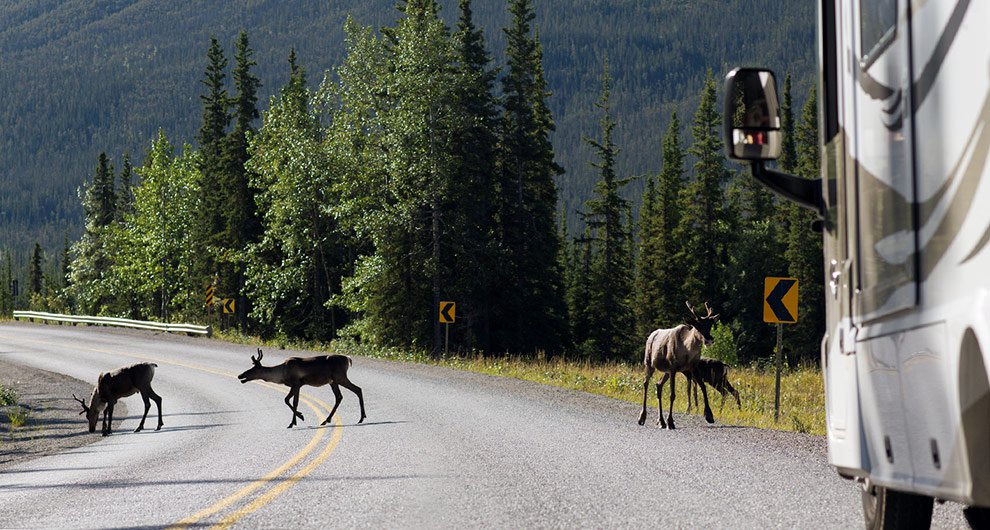
For my trip, I left from Portland and it took me 8 days, driving around 6–8 hours per day with built-in stops for gas, lodging, and oh yes — a surprise moose jam. (see above) Or was it reindeer?
💡 My tip? Don’t rush it.
Plan for at least 7–10 days one-way, and leave room for weather, road delays, and spontaneous “I-need-to-pull-over-and-stare-at-this” moments.
Road Trip Essentials I Swear By
If you’re going to spend that many hours behind the wheel, you need to be comfortable and prepared. Here are a few game-changing items I always keep in my car:
-
✅ Seat cushion for long drives – because back pain is not part of the adventure
-
✅ Portable jump starter – saved me twice
-
✅ Insulated cooler – kept my snacks (and sanity) intact
-
✅ Offline GPS app or device (Apple) – because you will lose service in the Yukon. Here’s one for Android.
These are just a few — I’ll share my full packing list below.
But for now, know this: the drive is long, but it’s also one of the most beautiful and rewarding road trips you’ll ever take. And with the right gear, it’s not just doable — it’s downright enjoyable.
Best Routes to Drive to Alaska
One of the first big decisions you’ll make when planning your road trip to Alaska is which route to take. There are two main ways to reach Alaska by car — and your experience will differ quite a bit depending on which one you choose.
🚗 The Alaska Highway (a.k.a. The Alcan)
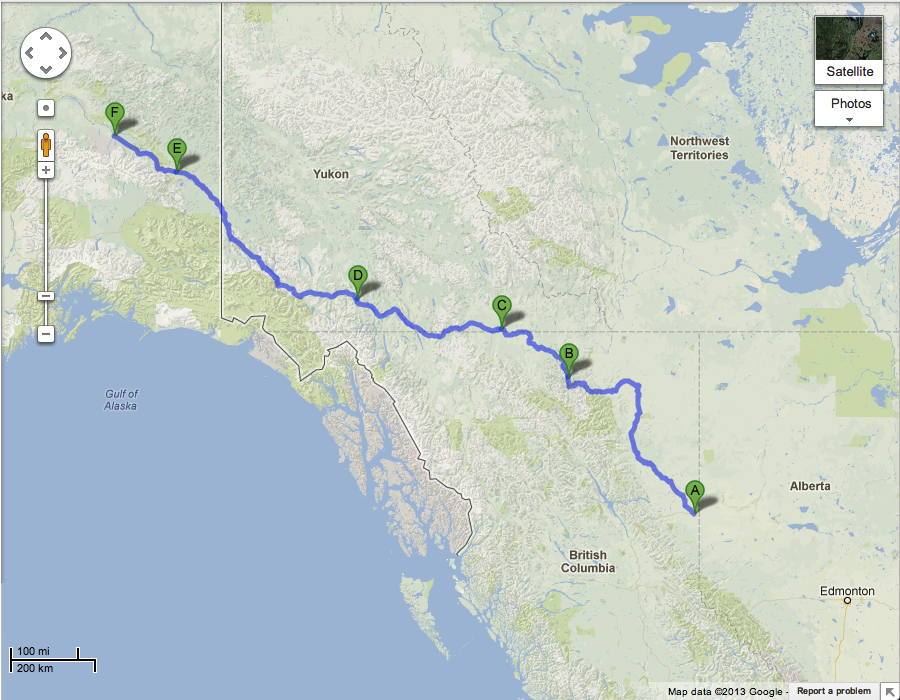
This is the classic route — and the one most travelers take. The Alaska Highway starts in Dawson Creek, British Columbia, and winds through Yukon Territory, ending in Delta Junction, Alaska.
-
Length: ~1,390 miles (2,237 km)
-
Best for: Smooth roads, regular fuel stops, and more travel infrastructure
-
What I loved: Gorgeous views, plenty of lodging options, more fellow travelers
If it’s your first time driving to Alaska, take the Alaska Highway. It’s well-maintained, paved the entire way, and gives you a good mix of wild landscapes and essential services.
Best Stops on a Road Trip to Alaska
If you are coming up from Banff National Park to Dawson Creek, be sure to stop at Icefields Parkway. This 232km stretch of road offers some of the most scenic in Canada. If you drove straight through, it would only take 2 hours. But don’t do that! Place about a day to really savor this section, as there are countless places to stop, take photographs and enjoy the scenery.
Just north of the Icefields is Jasper National Park. Plan to spend 1 to 3 days at the park. Pyramid Mountain is the shining star here, and the hiking is superb.
Dawson Creek. The beginning of the Alaska Highway, or Alcan. There are a few things to do here. Be sure to stop at the Alaska Highway House for a history lesson in how the highway was built. Mile Zero Park (not actually mile zero, that’s about a mile and a half away!) and Walter Wright Pioneer Village for a taste of a bygone era.
Fort Nelson, British Columbia. About five hours’ drive up the road is Fort Nelson. With 4,000 residents, in its heyday, it was a bustling trading post when the highway was being built. Visit the Heritage Museum with historic buildings, artifact, and cars from back in the day.
Watson Lake, Yukon. Another roughly six hours’ drive northwest from Fort Nelson and you’ve just crossed the border into the Yukon. Leave your mark at Signpost Forest (or your sign, rather). Lucky Lake has the Yukon’s only outdoor waterslide (summer months only, obviously!)
Whitehorse, Yukon. Another six-and-a-half-hour drive takes you to Whitehorse. This town has several museums and cultural centers to explore. Hiking, rafting and wildlife viewing are some of the recreational activities here.
Tok, Alaska. Another six-hour drive and you’re in Alaska! See, that wasn’t so bad, was it? Visit the Tok Mainstreet Visitors Center. A huge building with educational exhibits and information for your trip. Mukluk Land is great for the kids, with an activity museum and miniature golf.
Places to Stay Along the Drive to Alaska
My top picks for where to stay along the way. Click the links below to book.
| Stop | Suggested Hotel / Lodge | Notes / Why it’s a solid choice |
|---|---|---|
| Dawson Creek, BC | Staybridge Suites Dawson Creek | A suite‑style hotel at Mile 0, with kitchens, breakfast, and good comfort for a first night. |
| Fort Nelson, BC | Fort Nelson Hotel | Located centrally in Fort Nelson, a comfortable, reliable place after a long drive. |
| Watson Lake, YT | Air Force Lodge, Watson Lake | A restored pilot quarters‑style lodge with charm, good location along the Alaska Highway. |
| Whitehorse, YT | Edgewater Hotel | Historic hotel right on the Yukon River with modern updates; excellent base for exploring Whitehorse. |
| Tok, Alaska | Young’s Motel | Classic motel in Tok with amenities, restaurant, pet‑friendly rooms — solid “last stop before doing Alaska” option. |
Alternate Route to Alaska: The Cassiar Highway (BC-37)
The lesser-known Cassiar Highway splits off from Highway 16 near Prince George and rejoins the Alaska Highway near Watson Lake.
-
Length: ~450 miles (724 km)
-
Best for: Adventure seekers, remote scenery, and spotting wildlife
-
What surprised me: It felt like I was the only car on the road — in a good way and a “hope I don’t break down” way
There are fewer towns, more gravel sections, and less reliable cell signal — but this is where you’ll find true solitude and jaw-dropping mountain views.
💡 Explorer Sue Tip: If you have time, consider doing a loop — Cassiar one way, Alaska Highway the other. That’s what I did on my second trip, and it gave me two totally different experiences of the same adventure.
Road Trip to Alaska Packing List
What You Actually Need — From Someone Who’s Done It
Here’s the thing: you’re not just packing for a long drive — you’re packing for remote wilderness, border crossings, and wild temperature swings. I’ve refined this list over several trips, and these are the items I always bring (and a few I learned the hard way I needed).
🔧 Vehicle Essentials
These are non-negotiable — your car needs to be road-ready for remote stretches.
-
Tire inflator + gauge combo – saved me from a slow leak outside Whitehorse
-
Full-size spare tire – donut spares won’t cut it here
-
Basic tool kit – even if you’re not handy, someone else might be
-
Fuel canister (empty) – for emergencies only (check border rules before filling)
🧳 Comfort + Convenience
For those long hours behind the wheel.
-
Insulated travel mug – gas station coffee isn’t always great, but at least it’ll stay hot
-
USB car charger with multiple ports – keep all your devices powered
-
Sunshade – surprisingly helpful in northern summer sun
🥤 Food + Storage
Trust me, you do not want to rely on gas station snacks alone.
-
Electric cooler – kept my yogurt and cheese safe for 10 days
- Reusable water bottles + jug for refills (an old milk container works) – fill up at every chance
🧼 Clean + Sanitary
When there’s no bathroom in sight…
-
Pop-up privacy tent + portable toilet – not glamorous, but game-changing
-
Biodegradable wipes – for face, hands, everything
-
Hand sanitizer + bug spray – because you’ll need both
🛏️ Emergency Overnight
Even if you don’t plan to car camp — be ready.
-
Compact sleeping bag or emergency bivy – just in case
-
Headlamp or flashlight – the kind with a red light setting is ideal
-
Reflective blanket + tarp – multi-use lifesavers
🎯 Bonus: Border Crossing Must-Haves
-
Physical map or printed directions
-
Passport + printed itinerary – border agents may ask
-
Proof of vehicle insurance valid in Canada
-
Snacks sealed and labeled – customs can be picky
💡 Explorer Sue Pro Tip: Don’t overpack — just pack right. I’ve created a printable version of this list you can download here, including space for your own notes and links to the exact items I use.
Some Things to Consider:
Allow at least one week to see some of the sights and not be rushed. More than that if you want to really take your time and savor the incredible sightseeing throughout your journey. Devise a general, day-by-day itinerary of where you want to be depending on what you want to see.
Cell Phone Service. Most U.S. cell phone carriers will extend service into Canada without roaming charges, but be sure to check with your individual plan. Having said that, once you get north of Calgary you are entering some remote areas where cell phone service is spotty at best until you get to a small town.
Your Car. Be sure you have a reliable car. Even though the roads are paved, you don’t want to break down in the middle of nowhere, and there can be very little traffic on the road with you, even during the summer months. Also, it’s preferable to have a full-size spare tire for added peace of mind. For gas you should be fine, you will not go more than 200 miles without running into a gas station. Just be mindful of your gas tank, and try not to let it ever go below a quarter of a tank. Having said that, it would not be a bad idea to carry along an extra gas can, in case of emergencies.
Clothing. This obviously depends on the time of year you make the trip. But even during the summer months, bring a couple of warm outfits, as the temps can dip quite low after dark, especially in the Yukon territory.
Winter Driving. Unless you are a seasoned winter driver, it’s best to keep this trip to the late Spring/Summer months. Temperatures in the Yukon territory will be in the single (or minus) digits, and the road often covered with ice and snow.
Will you be camping or staying in motels? Or a bit of both? Here is where the Milepost book comes in really handy. Campgrounds along this route are generally really good. Check ahead to see if you need should be making reservations at either the campground or motel of your choice.
Now the only question is, will you be driving back? If this seems a little bit like torture for you and you feel you’ve logged enough hours behind the wheel, opt for taking the ferry back to Seattle.
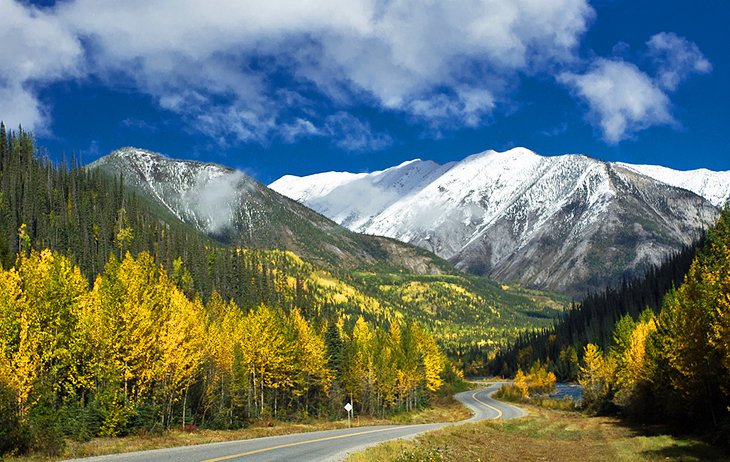
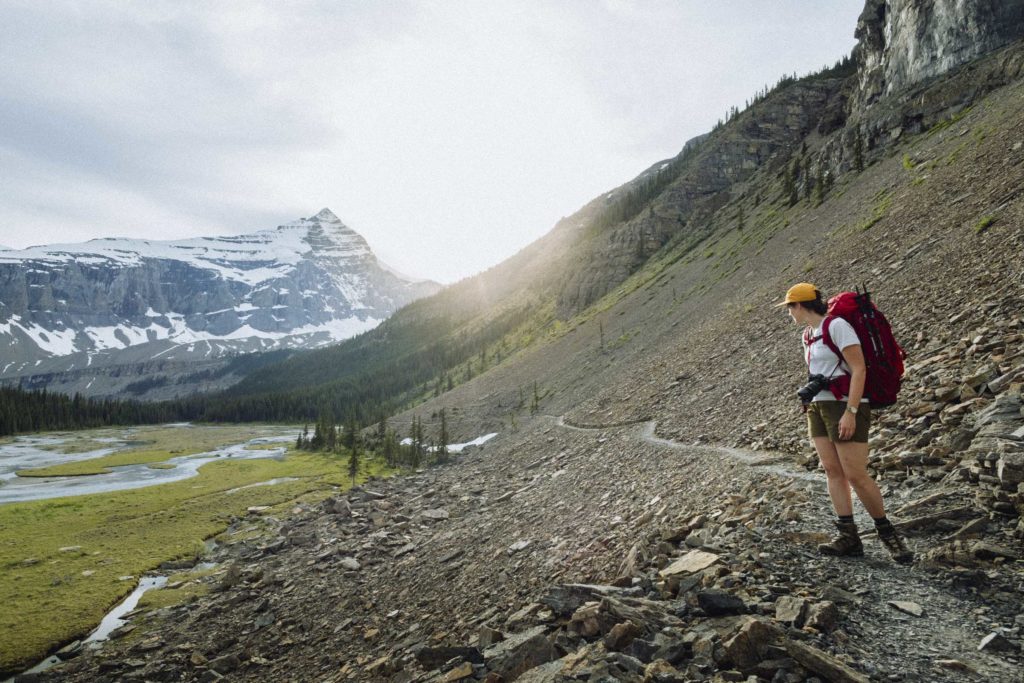
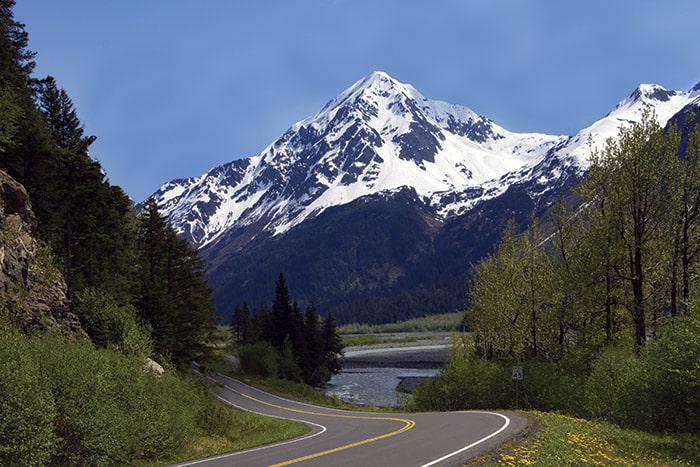
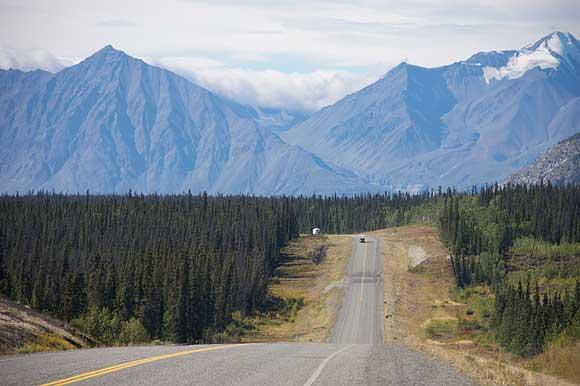
Here is a tiny sampling of the killer views you will encounter on your epic road trip to Alaska.
So what are you waiting for? Plan your road trip to Alaska today. Need help? Email me for all of your trip planning needs.
Explorer Sue is a participant in the Amazon Services LLC Associates Program, an affiliate advertising program designed to provide a means for sites to earn commission by linking to Amazon.com and other hotel affiliated sites – at no additional cost to you. Thanks for supporting the Explorer Sue website!