How to Plan Your Perfect Pacific Northwest Road Trip
Planning the ultimate Pacific Northwest trip (Oregon, Washington, and British Columbia) is exciting—but it can also make your brain feel like it’s been tossed into a blender full of moss, tide charts, and ferry timetables. Deep breaths, friend. This is your no-BS, slightly irreverent guide to plotting an unforgettable PNW adventure—without the overwhelm.
After exploring the PNW for 20+ years—by car, camper, and kayak—I’ve learned how to keep trip planning fun and meltdown-free. I started helping friends plan PNW trips because they were overwhelmed by the sheer number of options. Now, it’s my job—and I love turning chaos into chill.
And now I’m sharing that same strategy here.
Planning a Pacific Northwest Road Trip
Step 1: Pick a Lane (or at least a vibe)
The Pacific Northwest isn’t a single destination—it’s a whole mood board of epic coastlines, glacier-fed peaks, waterfall wonderlands, and indie wine towns. Trying to see everything in one go? Rookie mistake. For example, we once tried to mix wine country with a glacier hike. Spoiler: not our smartest move.
Here’s how to narrow the madness:
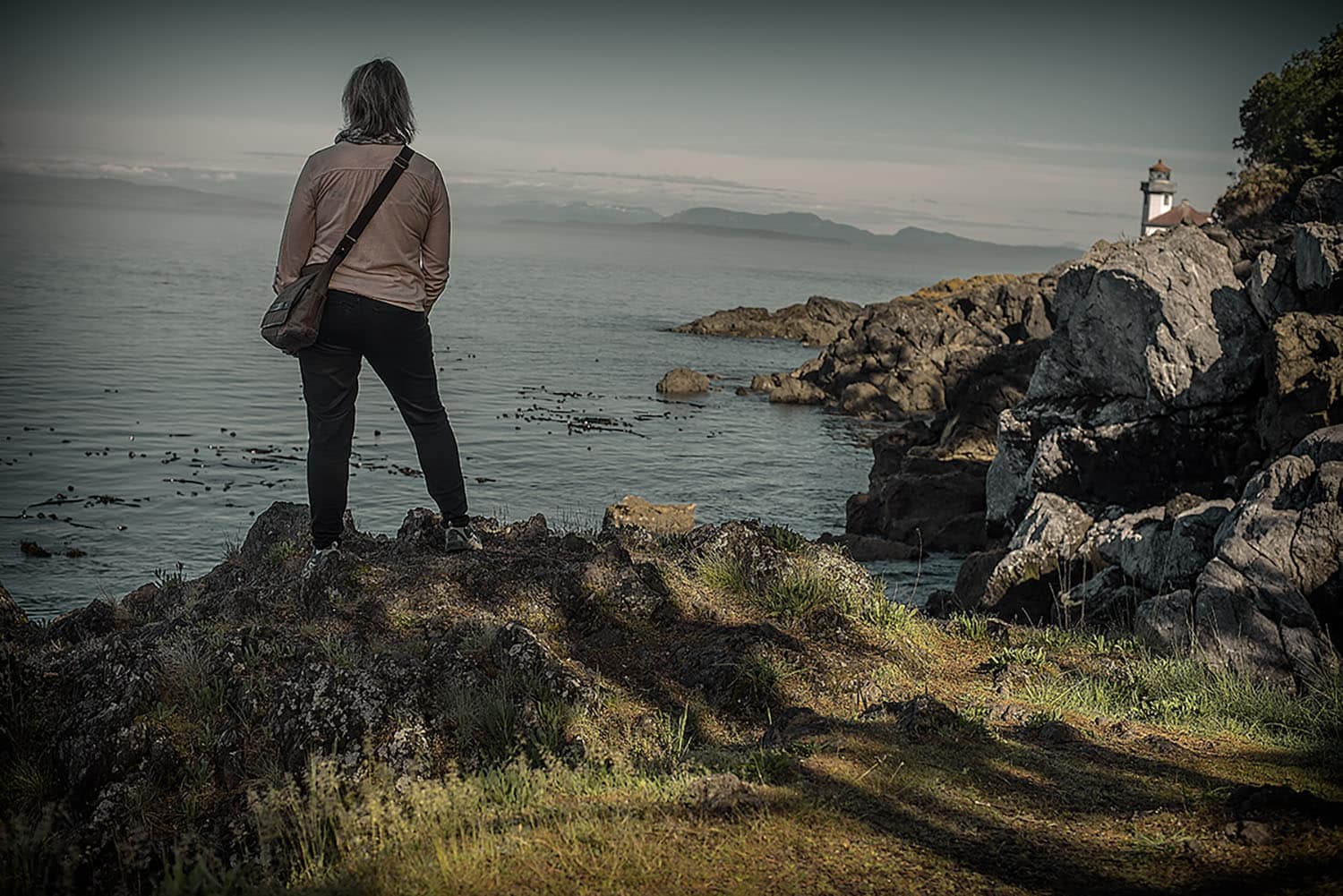
- Coastal junkie? Hit the Oregon Coast, Olympic Peninsula, or Vancouver Island.
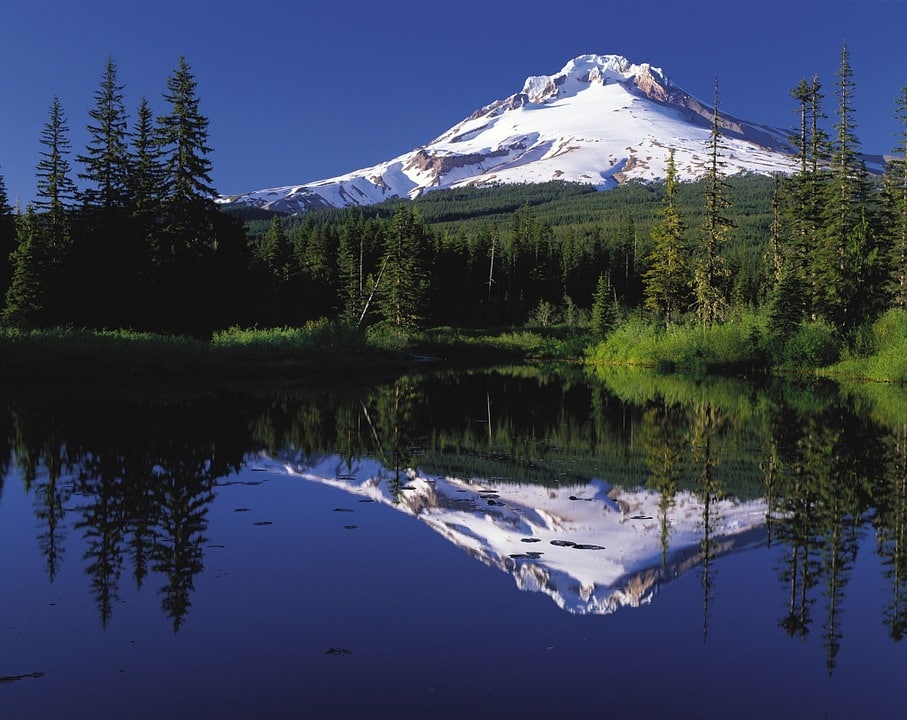
- Mountain goat vibes? North Cascades, Mount Rainier, Crater Lake, and Whistler say “Hi.”
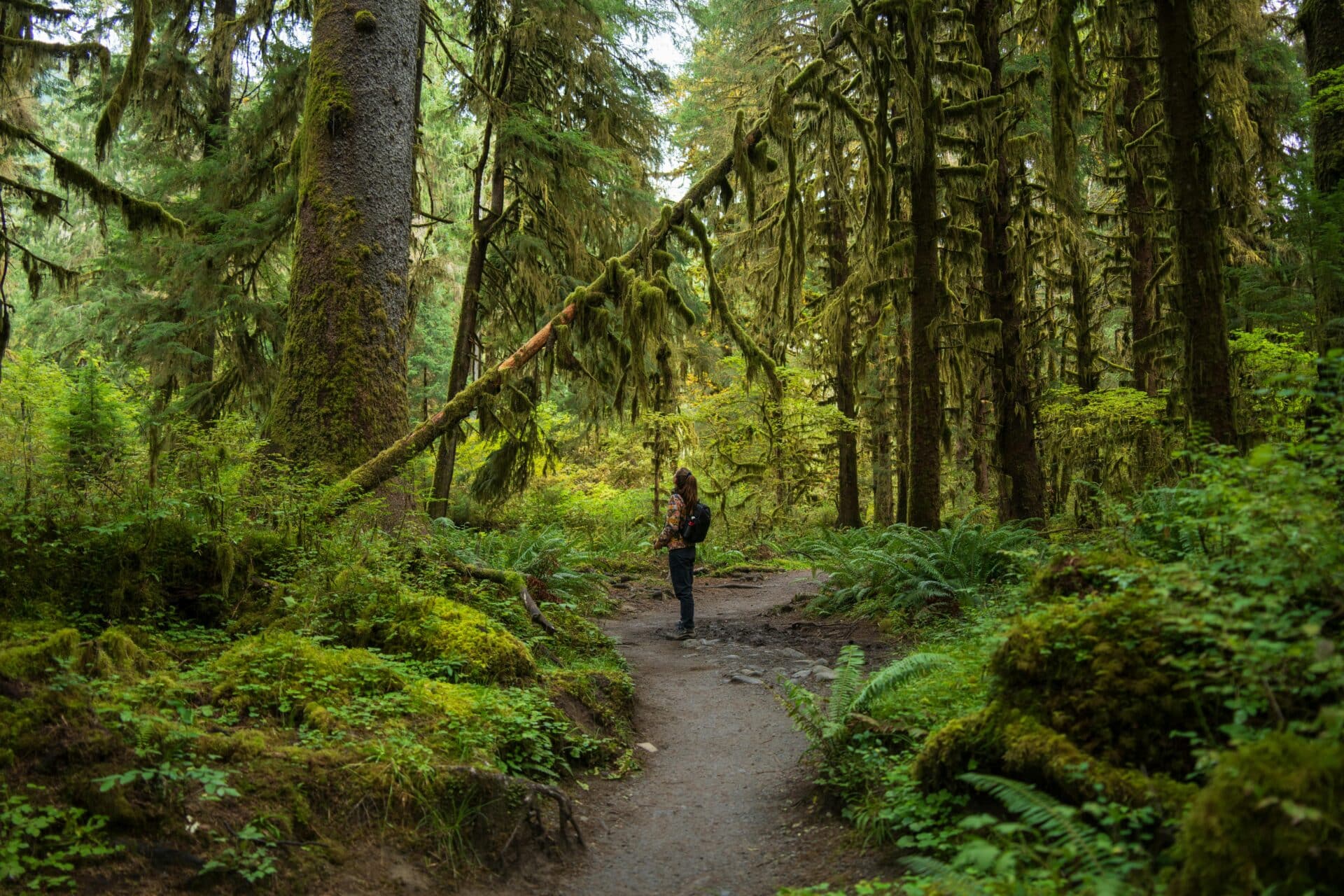
- Forest fairy? Chase waterfalls in the Columbia River Gorge, Silver Falls, or the Hoh Rainforest.
- Wine and farm-to-table aficionado? Willamette Valley, Hood River, Walla Walla, or the Okanagan will feed you well.
- High desert lover? Think Bend, John Day Fossil Beds, Methow Valley.
Pick 1–2 themes. Build around that. Don’t try to cross three mountain ranges in one week unless your idea of fun is living in your car (read: lots of driving) and subsisting on protein bars. Here’s a little something to get the wanderlust juices flowing.
Step 2: Time It Like a Local
PNW weather has big feelings. Here’s what to expect:
- May–June: Waterfalls are gushing, crowds are manageable. (My favorite time of year.)
- July–Sept: Prime hiking season. Long days, big views—but everyone else is here too.
- Late Sept–Oct: Fall colors + wine harvest = chef’s kiss for experiencing the PNW with great weather and less people.
- Nov–March: Storm-watching on the coast, ski town escapes, and cozy city stays.
Step 3: Get Your Ducks (and Documents) in a Row
Some light adulting is required. Especially if your trip involves ferries, border crossings, or RV rental dreams.
- Passport = mandatory for hopping into British Columbia. Note: If you are a Washington State resident with an enhanced driver’s license, this will suffice. I learned this when I drove to Vancouver from Seattle and somehow forgot to pack my passport.
- Ferries? Book BC Ferries and San Juan routes early unless you enjoy lines.
- Rental car or RV? Reserve early. RVs especially get snatched up months out.
- Give yourself cushion time—those “quick” drives often turn into “we pulled over for the third scenic overlook in 40 minutes” kind of days. I had that exact same situation at Crater Lake. That lake is just…
Step 4: Plan Some. Wing Some.
You don’t need a minute-by-minute itinerary, but don’t wing everything either. It’s good to have most lodging in place before you leave, and a loose itinerary (especially if you want to go on tours or visit Mount Rainier.)
Book ahead:
- Lodging inside or near national parks. Mount Rainier has timed entry during select times.
- Popular ferries (yes, again)
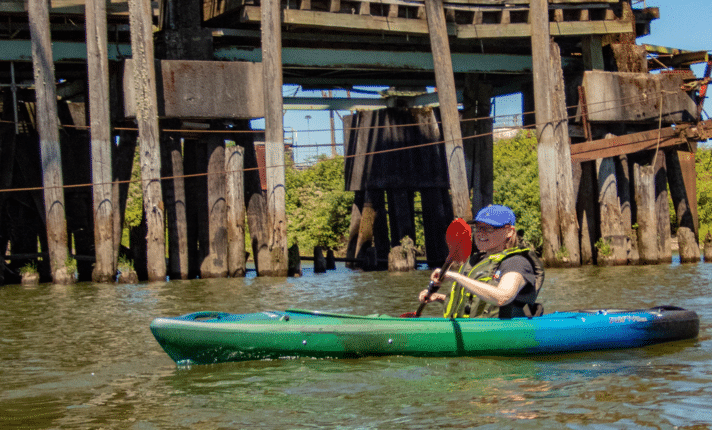
- Tours like whale watching, kayaking, or food crawls
- One or two “hell yes” dinners
Leave open:
- Breweries, coffee shops, farmers markets
- Quick hikes, tidepool wanders, that epic waterfall a stranger told you about
- 1–2 totally free days to follow the sunshine or your gut
Step 5: Don’t Overstuff the Sausage
Your trip isn’t a checklist. It’s a vibe. A good daily rhythm? We once spent a long weekend in Bend chasing waterfalls and breweries — and left planning our next visit to the John Day Fossil Beds. Moral of the story: don’t feel you have to get it all done in one trip.
- One anchor activity (a hike, a ferry ride, a market stroll)
- One loose block for exploring whatever pops up
- No more than 3–4 hours of driving on any given day. Ever. Seriously.

Step 6: Permits? Yes, You Need Them. (Sometimes)
Don’t let your dream hike turn into a parking lot pout-fest. Some PNW gems need permits—sometimes months ahead.
- Timed-entry reservations: Think Mount Rainier National Park.
- Day-use permits: The Enchantments, Multnomah Falls, some Oregon trails.
- Don’t forget your Discover Pass (WA) or BC Parks day-use stuff if crossing the border.
Step 7: Pack Like a Local (Layers, Layers, Layers)
The PNW often can’t decide what season it is, and you’ll need to dress for all of them.
- Base layer, fleece, puffy, rain shell
- Waterproof hiking boots AND comfy city kicks
- Beach gear = beanie + windbreaker
- Mountain gear = sunscreen, bug spray, gaiters
- Offline maps (Google Maps + AllTrails)
- Emergency car bin: snacks, first-aid kit, headlamp, microspikes
Step 8: Know Before You Go
Nature here is real. Respect it.
- Check tide charts before beach hikes or you will get stranded.
- Have a Plan B if wildfire smoke rolls in mid-August.
- Snow chains are required in some areas (yes, even when it looks sunny in Portland).
- Don’t get close to wildlife—elk, bears, and orcas don’t want a selfie.
Step 9: What It’ll Cost You
Ballpark budgets so you’re not side-eyeing your credit card by day 3:
- Lodging: $150–$350 (hotel), $40–$80 (campgrounds)
- Food: $15–$25 for casual meals, $60–$120 for splurges
- Tours: $60–$180 per person
- Transit: Ferries, toll roads, and gas are sneaky little budget bandits
Final Thoughts from the Road
The PNW rewards the curious traveler. You don’t need to do it all—just pick a couple killer spots, leave room for detours, and let the mossy magic work its way in. I usually tell folks to book 70–80% of their trip in advance and keep the rest flexible. Trust me—the best stories usually start with, “We weren’t planning to stop, but…”
Want help planning it all without melting your brain? Check out my Trip Planning Services and let me do the heavy lifting. Or browse more PNW travel guides here.
In the meantime, I’ve added an FAQ section where I’ve compiled a list of the most asked questions from my blog readers and trip planning clients.
Pacific Northwest Trip Planning FAQ
Planning a trip to the Pacific Northwest (aka Oregon, Washington, and British Columbia) is equal parts exciting and overwhelming. The mountains! The waterfalls! The coffee! Don’t stress—I’ve gathered the questions travelers ask me the most and answered them here.
General Trip Planning
- What are the must-see destinations in the Pacific Northwest?
It depends on your vibe. Coastlines? Hit the Oregon Coast, Olympic Peninsula, or Vancouver Island. Mountains? Think North Cascades, Mount Rainier, or Whistler. Waterfalls and forests? Columbia River Gorge and Olympic National Park have you covered. - How much time do I need to explore Oregon, Washington, and British Columbia?
At least a week if you’re focusing on just one state/province. Two to three weeks if you’re trying to combine them into a mega road trip. (Hint: don’t try to do it all in one go—you’ll need a vacation from your vacation.) - What is the best time of year to visit the PNW?
Summer (June–September) has the best weather and trail access, but also the biggest crowds. Spring and fall are great for fewer tourists and lush scenery. Winter is best if you love skiing or storm-watching on the coast. - How do I narrow down my itinerary without trying to do too much?
Pick one theme—coast, mountains, or cities—and build around that. Otherwise, you’ll spend all your time driving instead of exploring. - Should I rent a car or RV, or rely on public transportation?
A car or RV is the way to go. Public transportation works great for city-hopping, but not for reaching trailheads, national parks, or hidden gems.
Weather & Packing
- What kind of weather should I expect in each season?
Mild and rainy in winter, dry and warm in summer, unpredictable the rest of the year. “Layers” is the unofficial PNW uniform. - Do I really need to pack rain gear even in summer?
Yes. This is the PNW—we measure rainfall in “surprise sprinkles.” Pack a lightweight rain jacket at minimum. - What kind of clothing and footwear are best for PNW hikes and city exploring?
Waterproof boots for hikes, comfy sneakers for cities, and layers (always layers). Leave the stilettos at home unless you’re auditioning for “Seattle’s Got Talent.”
Outdoor Activities & National Parks
- Which national parks should I prioritize?
Olympic (diverse ecosystems), Mount Rainier (iconic peak and wildflowers in the summer), Crater Lake (that blue water!), and North Cascades (rugged beauty without the crowds). - What are the best hikes for beginners vs. experienced hikers?
Beginners: Hoh Rainforest (Olympic NP), Cape Flattery (WA coast), Trail of Ten Falls (Oregon).
Experienced: The Enchantments (WA), Wonderland Trail (Mount Rainier), South Sister (Oregon). - Where are the best places to see waterfalls, coastlines, and mountains?
Waterfalls: Columbia River Gorge. Coastlines: Oregon Coast. Mountains: North Cascades or the Cascades near Seattle/Portland. - Are there any unique wildlife viewing opportunities?
Yes! Go whale watching in the San Juan Islands or Depoe Bay, spot bald eagles in Skagit Valley, and keep an eye out for Roosevelt elk in Olympic NP.
Cities & Culture
- Which cities are worth spending more than a day or two in?
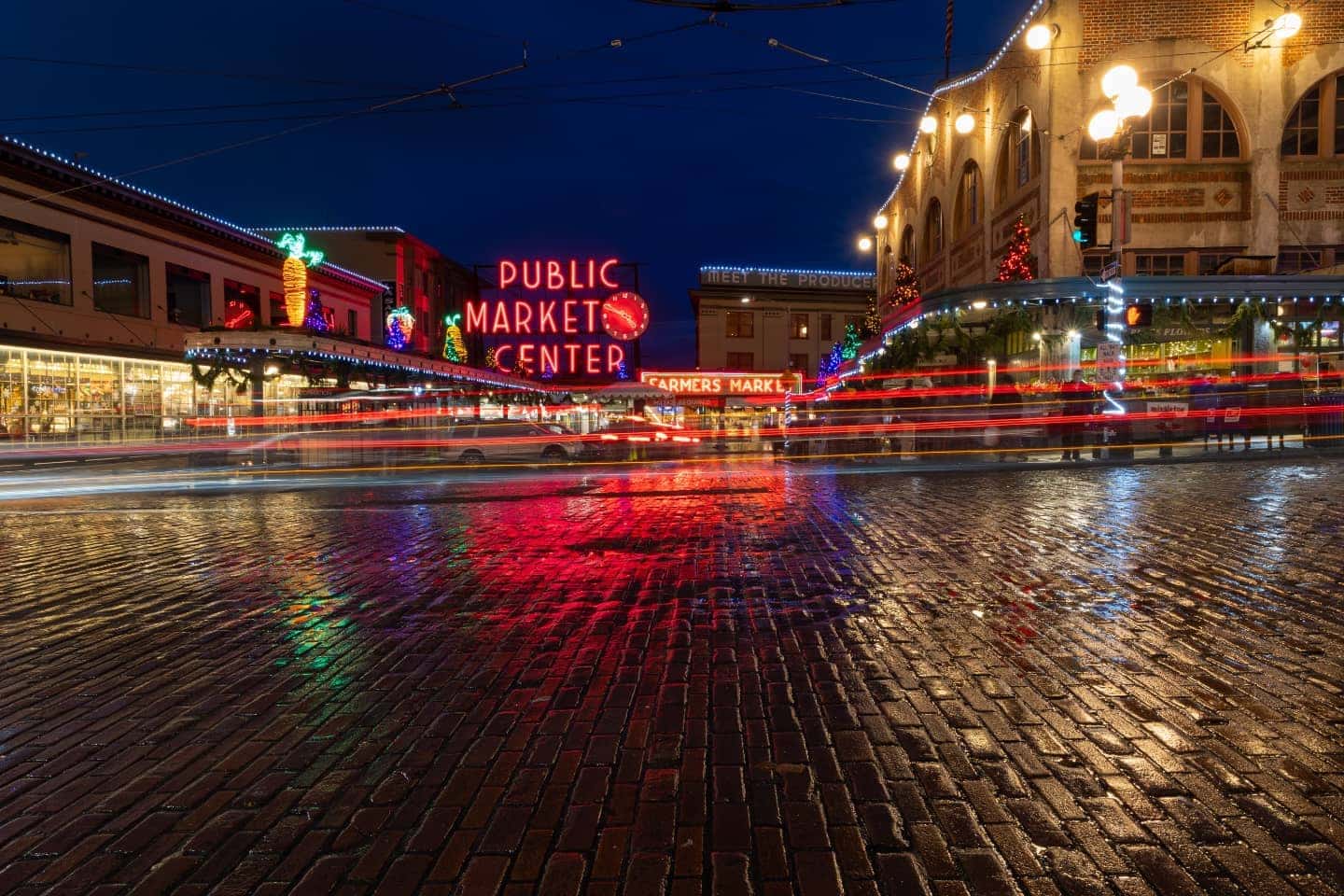
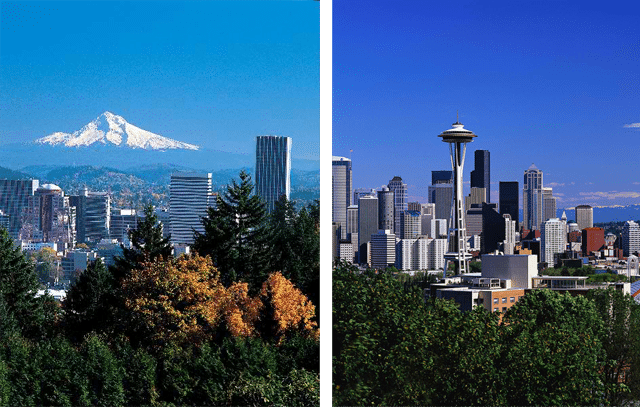
Seattle (coffee, music, Pike Place Market), Portland (food trucks, quirky vibes, gardens), and Vancouver (multicultural food, stunning urban/nature mix). - What are the best food and drink experiences in the region?
Seafood (hello, salmon and oysters), craft beer, world-class coffee, and Oregon wine country. Portland’s food cart pods are basically Disneyland for foodies. Fact: there are about 600 of them! - What unique cultural or quirky attractions should I not miss?
Seattle Underground Tour, Portland’s Powell’s Books, quirky small towns like Leavenworth (Bavarian village vibes) and Astoria (movie history, seafood + beer).
Lodging & Logistics
- Should I stay in hotels, vacation rentals, or campgrounds?
All three! Mix and match depending on location. National parks = camping/lodges. Cities = hotels/boutique stays. Coast/mountains = vacation rentals. - How far in advance should I book accommodations?
At least 3–6 months for summer, especially around national parks and the Oregon Coast. Off-season? You can wing it a little more. - Are there RV-friendly routes and campgrounds?
Yes—the Oregon Coast, Cascade Loop in Washington, and Vancouver Island are all amazing for RV trips. Reserve early for summer.
Costs & Practicalities
- How much should I budget for a PNW trip?
Mid-range travelers usually spend $150–$250 per day (lodging, food, attractions, transport). Budget travelers can go lower with camping and cooking. - Are there any hidden gems or off-the-beaten-path spots?
Yes! Think Orcas Island (WA), Manzanita (OR), the Methow Valley (WA), or Tofino (BC). The PNW is full of small-town surprises.
Final Note
Whether you’re dreaming of mossy forests, dramatic coastlines, or sipping Pinot in Oregon wine country, the Pacific Northwest has something for every kind of traveler. If you want a stress-free, perfectly customized itinerary, check out my Trip Planning Services—I’ll do the heavy lifting so you can just show up and explore.